
Ugramm (2014) – Movie Info, Cast, Trailer & Where to Watch
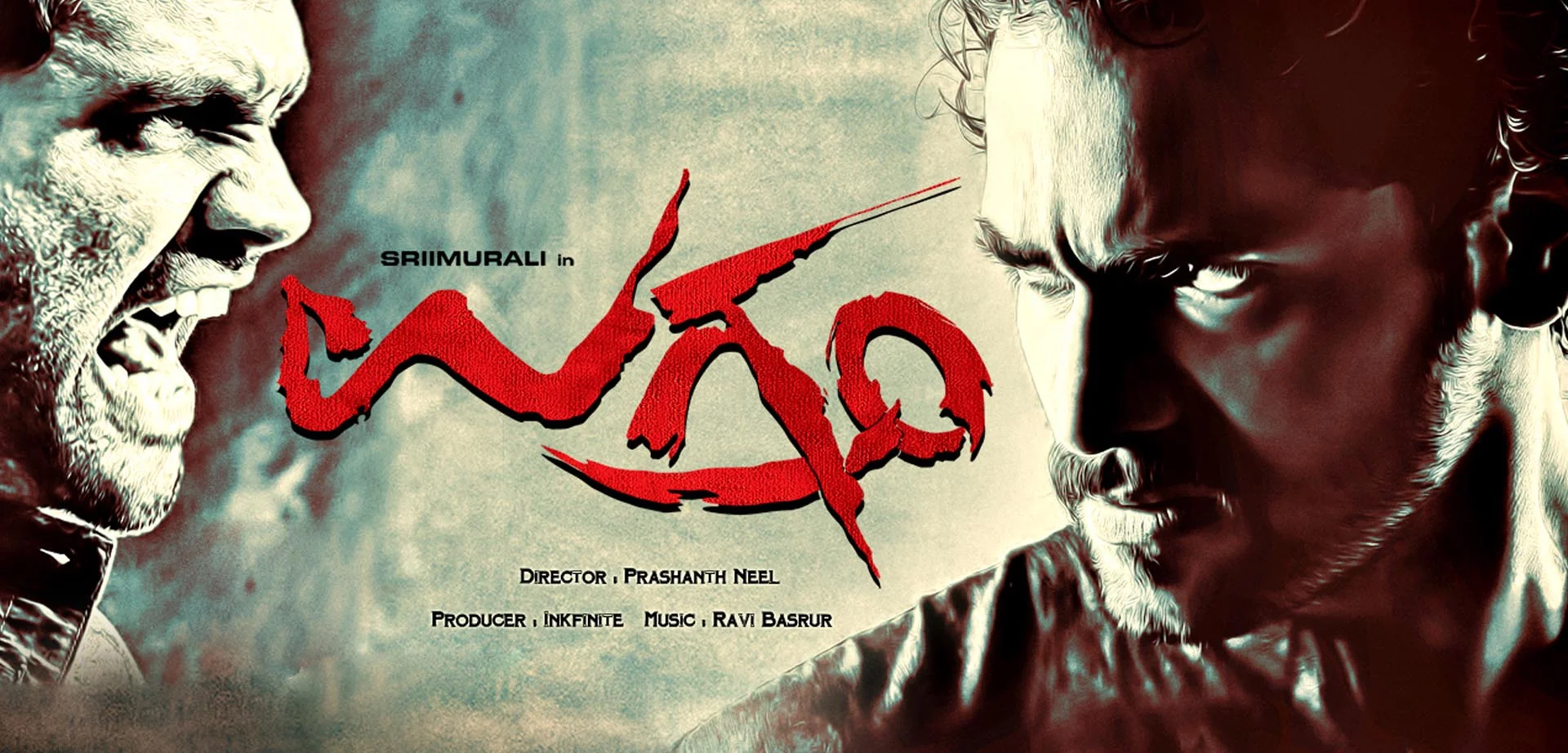
Table of Contents
Quick Facts
Long before KGF made Prashanth Neel the most wanted director in Indian cinema, there was Ugramm, the ferocious action thriller he spent nearly five years getting to the screen. Released on 21 February 2014 and made for about ₹4 crore, it was Neel’s directorial debut and Sriimurali’s career-resurrecting comeback at once. It ran 125 days in Karnataka, earned unanimous critical praise, and announced, unmistakably, that a major new stylist had arrived.
The film’s afterlife has been almost as dramatic as the film itself. Remade in Odia as Agastya in 2016 and in Marathi as Raanti in 2024, its core story of two friends torn apart by the underworld was later adapted by Neel himself into Salaar: Part 1 – Ceasefire with Prabhas. Watching Ugramm today is like finding the blueprint for an empire: the mythic violence, the brotherhood, the thunderous score, all here in raw, concentrated form. It is currently streaming on ZEE5.
Plot
The story opens in 1994, when Shivarudra Lingaiah, a ruthless Bangalore gangster, tries to strong-arm Prabhakar, a shipping company owner, into smuggling contraband through his vessels. When Prabhakar refuses, Lingaiah murders his wife and threatens their infant daughter Nithya, forcing him into the deal. Prabhakar diverts a shipment, flees to Australia with the grown Nithya, and tips off the police, landing Lingaiah in prison, where he runs his empire through his son Dheeraj.
Cut to the present. Nithya, played by Hariprriya, returns to India to visit her late mother’s grave and is promptly attacked by Dheeraj’s men, who have waited years for revenge. She is saved by Agastya, played by Sriimurali, a quiet automobile mechanic living with his mother, who shelters her. Agastya’s refusal to fight clearly hides something, and as Dheeraj’s gang closes in, the film peels back the layers: Agastya was a feared enforcer from Mughor, the crime-ravaged town at the story’s dark heart, who walked away from the underworld after a tragedy involving his closest friend.
That friend is Bala, played by Tilak Shekar, and the bond between the two men, and the betrayal that shattered it, is the film’s emotional core. The second half becomes a full-blooded gang war as Agastya is dragged back into Mughor’s violence to protect Nithya, and Neel stages the confrontations with mythic, almost operatic intensity. Loyalties are settled in blood as Agastya’s rage, the “ugramm” of the title, finally erupts in a finale that redefined Kannada action cinema.
Performance
Sriimurali gives the performance of his career, and it is not close. After a string of commercial failures through the 2000s, he plays Agastya as a man holding back an ocean of violence behind a mechanic’s gentle stillness, and when that stillness finally cracks, the effect is electrifying. His restraint is the film’s masterstroke: where a lesser actor would snarl through every scene, Sriimurali lets dread build in his silences, earning long-overdue Filmfare and SIIMA Best Actor nominations.
Hariprriya brings dignity and steel to Nithya, refusing to play the damsel even when the plot puts her in a damsel’s position, while Tilak Shekar is excellent as Bala, the friend whose fate haunts the second half. The villains are genuinely menacing: Avinash as the monstrous Shivarudra Lingaiah and Atul Kulkarni, in a rare Kannada appearance, as his cold-blooded son Dheeraj. Jai Jagadish and Padmaja Rao lend weight to the older generation’s tragedy.
Screenplay and Direction
What stuns about Ugramm, knowing what Neel did next, is how fully formed his voice already is. The screenplay, co-written with K. Ram ShriLaxman, builds its world with novelistic patience: Mughor is not a backdrop but a moral universe with its own codes, and the film’s central idea, that violence is a debt compounding across generations, is dramatised rather than speechified. Neel’s action is already distinctive, brutal, legible, cut to the bone, with punch dialogues fans still quote.
The film is not without excess: the violence is relentless enough to earn an A certificate, and the second half’s body count will test viewers who prefer bloodless thrillers. A few critics felt the romance track slowed the ferocious momentum. But these feel like features of Neel’s maximalist vision rather than bugs. Critics called it a landmark gangster film: pulp elevated to mythology by sheer directorial conviction.
Music
Ravi Basrur’s score is the film’s beating war-drum, and Ugramm is unimaginable without it. The title track “Ugramm Veeram” is a chest-thumping anthem that captures the film’s ethos in one song, while the romantic numbers give breathing room between assaults. But the background score does the heavy lifting, all pounding percussion and electric menace, turning every confrontation into a gladiatorial event.
The film is just as distinguished visually. Bhuvan Gowda’s cinematography gives Mughor a dust-choked, apocalyptic grandeur, all ochre earth and pitiless sunlight, and the legendary Ravi Varman’s guest contribution marked his first work in Kannada cinema. The action choreography is refreshingly coherent: you always know where everyone is and why it matters. For a ₹4 crore film, Ugramm looks like it cost five times as much.
Themes
Beneath the carnage, Ugramm is about the terrible arithmetic of revenge: every act of violence in Mughor is a debt passed to children, and Agastya’s tragedy is that he understands this perfectly yet cannot escape it. The film’s other great theme is brotherhood: the bond between Agastya and Bala is the story’s true love affair. It is this emotional spine, not the action, that makes the film endure: for all its fury, Ugramm is at heart a melodrama about loyalty, played at full volume.
Conclusion
Ugramm remains essential viewing for two reasons: it is a rip-roaring action thriller in its own right, and it is the Rosetta Stone for understanding Prashanth Neel, the KGF and Salaar filmmaker. Sriimurali has never been better, Ravi Basrur’s score has never hit harder, and Mughor remains one of Indian cinema’s most vivid underworlds. Currently streaming on ZEE5. Watch it loud, and watch what happens when a debutant director announces himself with an earthquake.