
Maremma
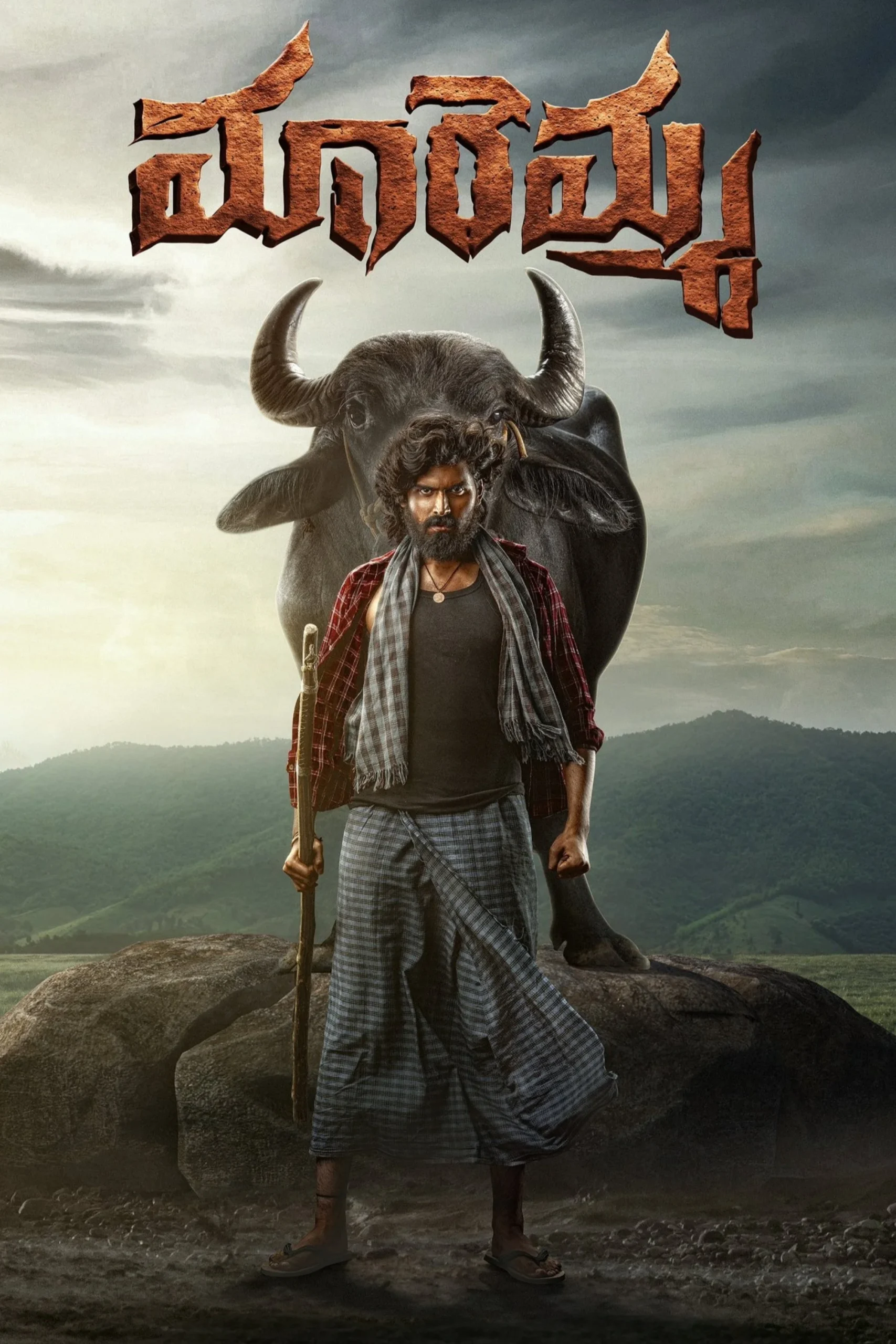
Table of Contents
Quick Facts
Plot
Maremma is set in Mahishapuram, a village in Telangana where the local deity Maremma is worshipped with deep devotion. Karni, played by Maadhav Bhupathiraju, is a young man from the village whose life is tied to the temple and its traditions. Every year, the village prepares for its festival, and at the centre of the rituals stands Maari, a sacred buffalo offered to the goddess, an animal the villagers treat with reverence.
The story takes a dark turn when Maari goes missing. What looks at first like a simple theft quickly shakes the whole village, as suspicion falls on different people and old rivalries come to the surface. Karni finds himself at the centre of the search, and the film follows him as he tries to find the missing buffalo and restore the village’s faith. Along the way, the story touches on caste, power and the way a single incident can expose the fault lines running through a community.
Performance
Maadhav Bhupathiraju plays Karni with sincerity, and reviewers noted that he carries the film’s emotional weight in the later portions. Deepa Balu, Vikas Vasishta and Vinod Kumar support him in key roles, while V.S. Rupa Lakshmi and Dayanand Reddy add depth to the village world. The cast is largely made up of newer faces, and their performances give the film a rooted, authentic feel.
The performances are not the film’s main problem. The actors do their best with the material, and the village atmosphere feels genuine. But a rural drama of this kind needs strong writing to hold the audience, and the performances alone cannot carry the film when the story itself loses focus in the second half.
Screenplay and Direction
Director Manchala Nagaraj, who also produced the film, chooses a rooted and unusual premise: a sacred buffalo, a village deity, and the crisis that follows when the animal disappears. The first half, with its village atmosphere and festival preparations, shows promise, and the film’s heart is clearly in its Telangana setting. The director’s intention, to tell a story about faith and community from the inside, is sincere.
The execution, however, disappointed critics, who gave the film ratings between 1.75 and 2.25 out of 5. The writing was described as inconsistent, the second half as slow, and the film as lacking the emotional depth its premise promised. The sacred buffalo, which should have been the emotional centre of the story, does not get the attention it deserves, and the film’s message about village life gets lost in a scattered narrative.
Music
Prashanth R. Vihari and Bipradeep Dutta compose the music for Maremma, and their work fits the rural, devotional setting of the film. The songs carry the flavour of Telangana folk traditions, and the background score tries to build tension around the search for the missing buffalo. In a film rooted in village rituals, the music has an important job: to make the audience feel the devotion and the anxiety of the community.
The soundtrack is serviceable rather than standout, but it supports the film’s atmosphere well, especially in the festival sequences where the village comes alive. For viewers who enjoy rooted Telugu music, the folk flavour here will be familiar and welcome, even if the songs themselves do not become the film’s main talking point.
Themes
Maremma is about faith and what happens when it is shaken. The missing buffalo is not just an animal; it is a symbol of the village’s trust in its goddess, and its disappearance forces the community to confront its own divisions. The film uses that crisis to explore caste tensions, power struggles and the way suspicion can poison a close-knit village.
The film is also about the relationship between people and the animals they revere. In many Telangana villages, sacred animals are part of daily life and ritual, and the film tries to show that world from the inside. That rootedness is its most interesting quality, even if the storytelling does not fully live up to it. The premise alone sets Maremma apart from routine rural dramas.
Conclusion
Maremma is a rooted rural drama with an unusual premise and a sincere heart. Its Telangana village setting, its devotional atmosphere, and a committed cast make it an interesting watch for viewers who like stories drawn from village life and local traditions.
But viewers should know that critics found the writing uneven and the second half slow, and the film’s ratings reflect that. As a one-time watch on streaming, where it is available on aha, JioHotstar and Amazon Prime Video, it is worth a look for its premise alone, even if it does not fully deliver on its promise.